
Are You Automating Jobs or Redesigning Work?
XY.AI Labs Team
February 21, 2026
Reading Time4 mins
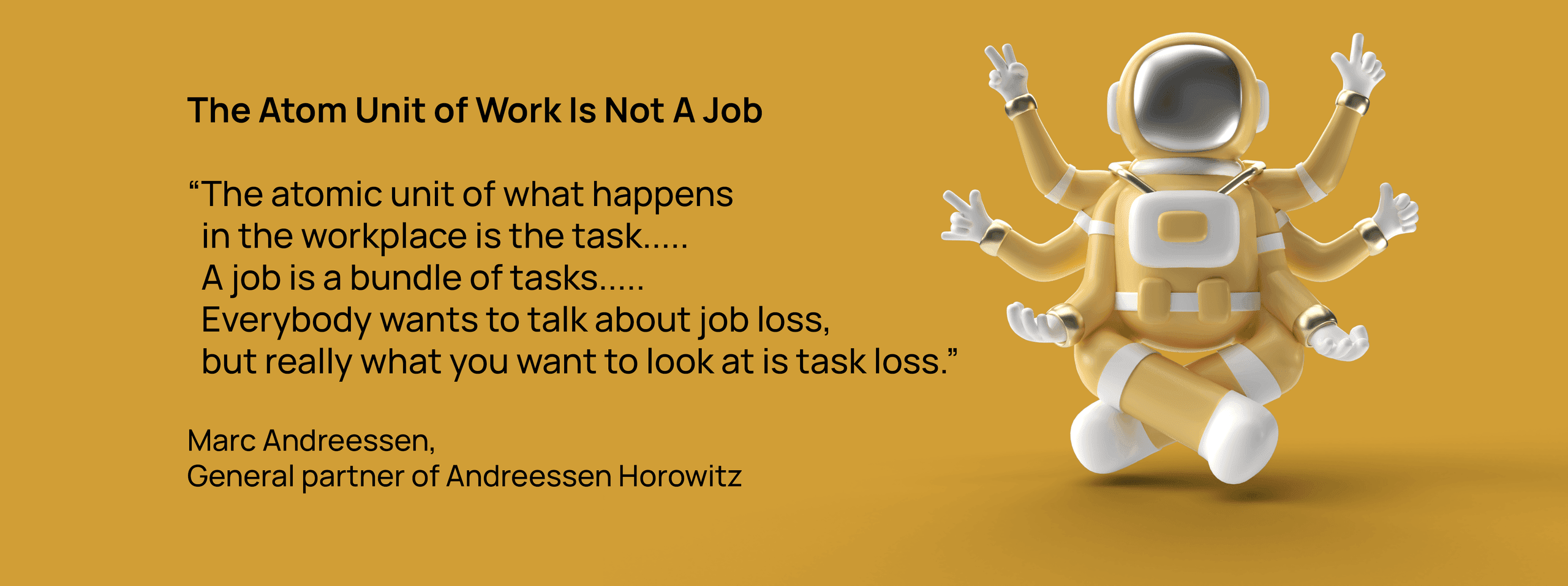
For the past year, the public conversation around AI has centered on job replacement. But that framing misses the point. Work does not happen at the job level. It happens at the task level.
Clinicians don't do a job, they review information, make decisions, document, coordinate, communicate, escalate, and follow up.
Revenue cycle managers don't have a role, they verify eligibility, submit claims, resolve denials, analyze payer trends and follow up on AR. Jobs are bundles. Tasks are the atoms. And atoms are what AI interacts with.
Healthcare Has Reached the End of "Add More People"
In healthcare, the old scaling model is exhausted. When complexity increases, the default response has been:
- Hire another coordinator.
- Add another admin.
- Expand the billing team.
- Bring in another layer of oversight.
But the math no longer works. Costs are structurally high. Complexity is self-reinforcing. Productivity is flat and sometimes negative. Clinical outcomes are not improving proportionally to spend. Healthcare cannot hire its way out of operational drag anymore.
AI Is No Longer a Feature, It's Architectural
Right now, most organizations are focused on:
- Workflow automation
- Task automation
- AI agents that execute steps faster
That's highly necessary but it won't be the final destination. We're moving toward something deeper, not just automating tasks and streamlining / optimizing workflows.
We are heading to redesigning and orchestrating how work gets done at a system level. AI is becoming architectural. It changes how:
- Decisions are surfaced
- Knowledge flows
- Coordination happens
- Execution is sequenced
The question is no longer: "Can this task be automated?" The question becomes:
"How should this system of execution be designed in an AI-native world?"
From Automation to Orchestration
Early adopters typically start with complex workflow automation:
- Multi-step revenue processes
- Prior authorization chains
- Documentation and intake flows
- Scheduling and capacity balancing
But something interesting happens. Once tasks begin to move faster and more reliably, leaders start asking a different question: "Why is the system designed this way at all?" The ROI conversation shifts from "How many hours did we save?" to "How should this operating model be architected?" That's when AI moves from tool to infrastructure.
The Patterns of Disruption
Historically, industries facing structural disruption move through familiar stages:
- Denial
- Consultant deck
- Panic acquisition
- Irrelevance
The companies that win rarely wait for a recommendation deck. They redesign before they are forced to.
There is also a deeper technical shift underway. Traditional BI aggregates metrics. Vector search surfaces fragments. But neither alone creates understanding.
What's emerging is a knowledge layer that allows AI systems not only to retrieve information but to explain why something happened. Why did denials spike? Why is clinician throughput dropping? Why are certain patients churning?
This is the difference between:
- Seeing the number.
- Seeing the fragment.
- Understanding the causal structure.
That knowledge layer becomes the foundation for intelligent orchestration.
The Strategic Question
Are you automating jobs? Or are you redesigning systems?
For small and medium-sized healthcare operators especially, this will be critical.
The future will not belong to those who add incremental tools. It will belong to those who:
- Precisely design execution
- Orchestrate task flows intelligently
- Embed AI into the operating architecture itself
Because when the atomic unit of work is the task, the real competitive advantage becomes the system that coordinates them.
And that system is now redesignable and configurable.
XY.AI is built for small and mid-sized healthcare operators navigating legacy systems, limited engineering bandwidth, and intense margin pressure. In a landscape full of AI noise, clarity and the right partner matters more than ever.
Book a Demo
See how AI Agents can transform your operations


We Built Compiled AI. Jev-Like System 1 Models Belong Inside It.
XY.AI Labs Team
September 25, 2026
Reading Time3 mins
XY.AI Partners with CollaborateMD to Bring AI Native Revenue Cycle Operations to Thousands of Billing Teams
XY.AI Labs Team
September 21, 2026
Reading Time3 mins
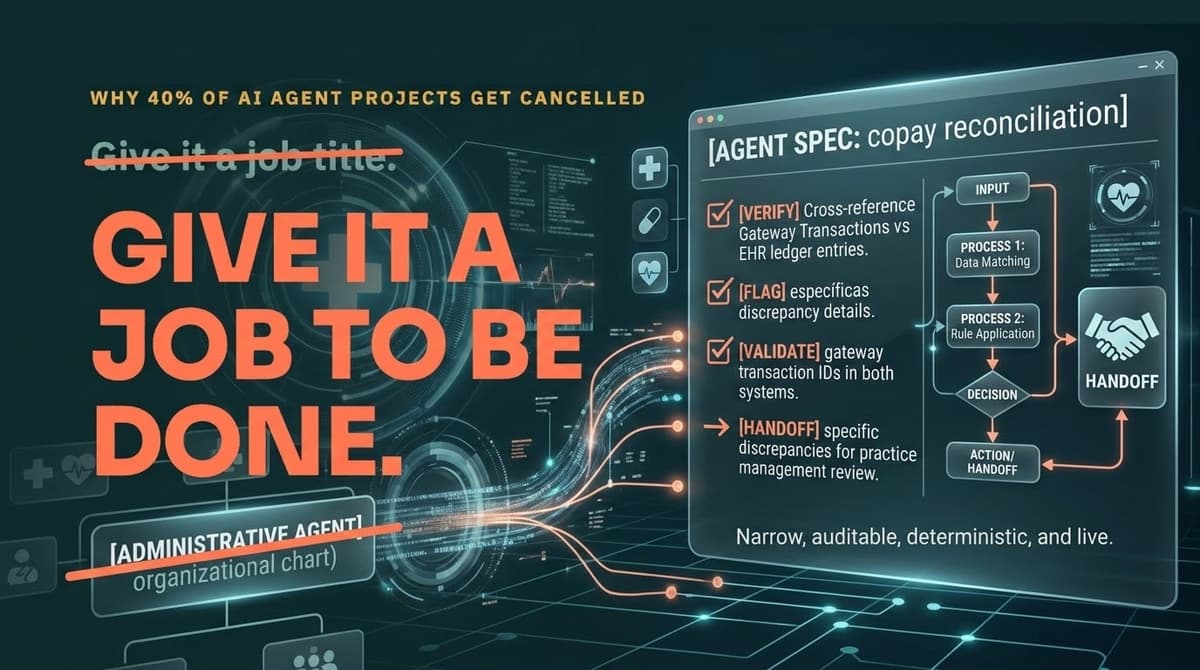
Give Your AI Agent a Job To be Done, Not a Job Description
XY.AI Labs Team
September 21, 2026
Reading Time5 mins
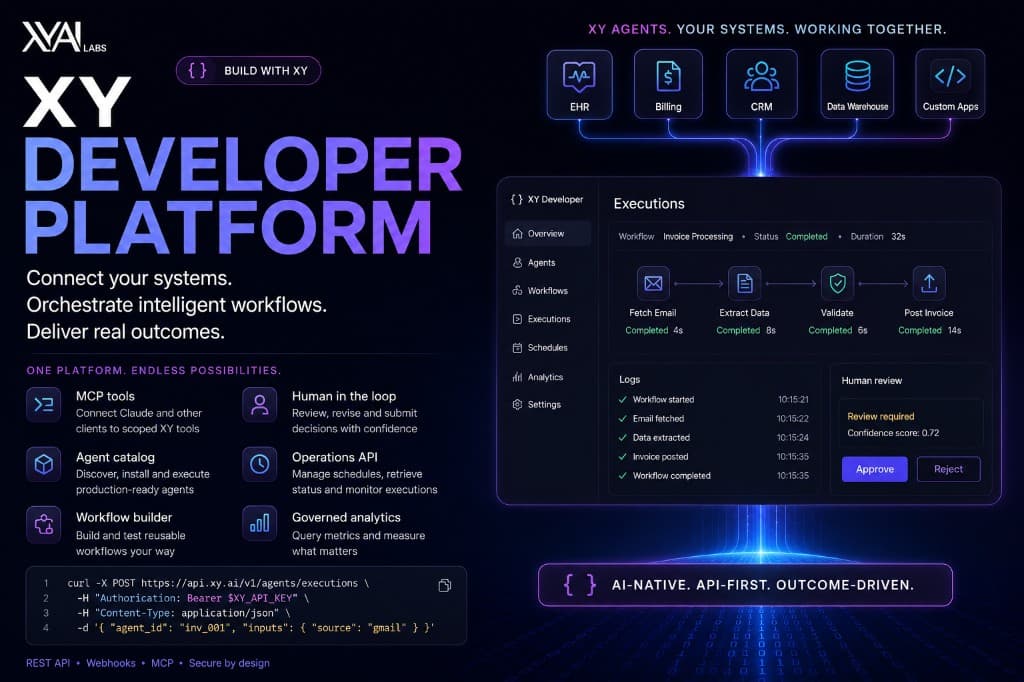
Introducing the XY Developer Platform That Your Team Can Build On
XY.AI Labs Team
August 28, 2026
Reading Time4 mins

You Can't Claude Your Way Through Healthcare

Scott Cressman
August 14, 2026
Reading Time6 mins
Ten Signs You're Ready or Not

Sam De Brouwer
August 3, 2026
Reading Time8 mins
Now Connecting to 3,500+ Payers. Here's What That Means for You
XY.AI Labs Team
July 9, 2026
Reading Time5 mins

Does Your Staff Log Into 12 Portals Before 9 AM?
XY.AI Labs Team
June 25, 2026
Reading Time3 mins

What You Don't Build Today Will Be Difficult to Catch Tomorrow
Sam De Brouwer
June 18, 2026
Reading Time8 mins
XY.AI Labs Expands Integration with athenahealth and AdvancedMD
XY.AI Labs Team
May 27, 2026
Reading Time4 mins
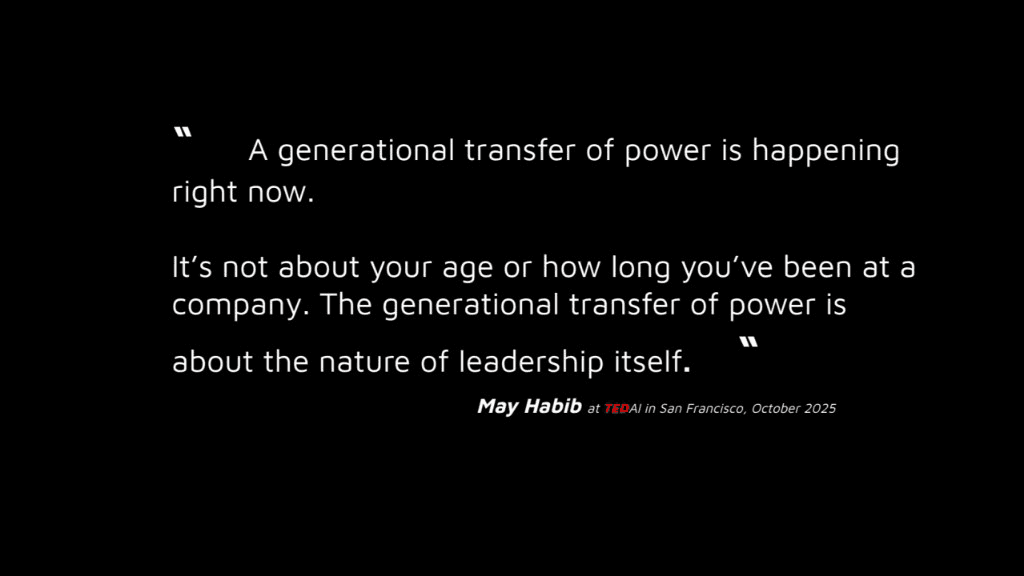
What It Means to Be an AI-Native Leader
Sam De Brouwer
May 13, 2026
Reading Time6 mins
Bringing AI to Behavioral Health at Scale: 10,000 Specialists, 4 Million Patients
XY.AI Labs Team
May 6, 2026
Reading Time5 mins
XY.AI and Uberdoc Partner to Bring AI to the Frontlines of Healthcare: Reaching 5,000 Practices Across All 50 States
XY.AI Labs Team
April 30, 2026
Reading Time4 mins

From Static Compliance to Living Compliance
XY.AI Labs Team
April 29, 2026
Reading Time10 mins
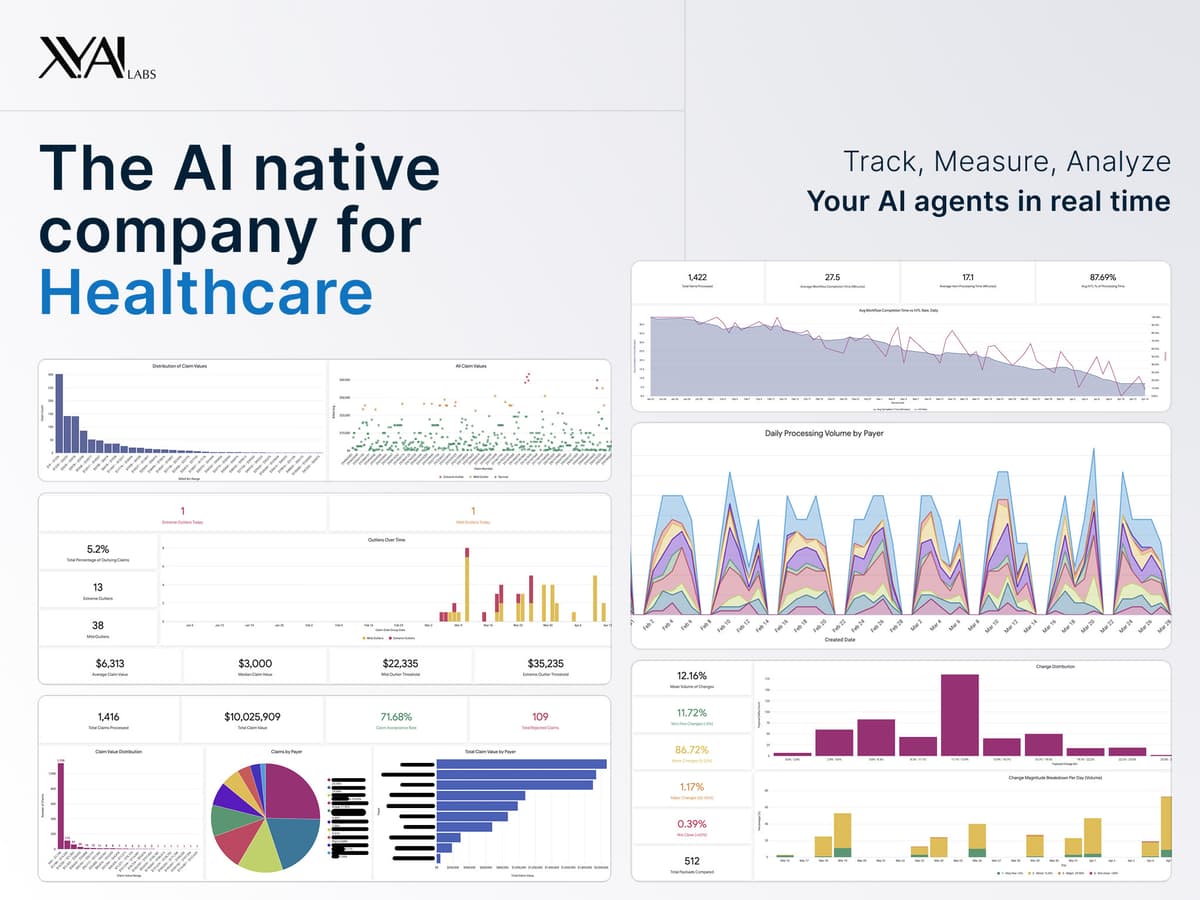
Are You Still Running Your RCM in the Dark?
XY.AI Labs Team
April 15, 2026
Reading Time4 mins

The Missing Layer in Healthcare AI: Execution
Sam De Brouwer
March 11, 2026
Reading Time5 mins
How to Choose the Right AI Partner for Your Healthcare Operations
XY.AI Labs Team
February 5, 2026
Reading Time5 mins

Have We Been Here Before? A Thought on AI Infrastructure
Sam De Brouwer
January 29, 2026
Reading Time5 mins

Finally, Healthcare Is Becoming a Learning System with AI as its Catalyst
Sam De Brouwer
December 19, 2025
Reading Time7 mins
Connect Healthcare Systems with Agentic AI
XY.AI Labs Team
November 24, 2025
Reading Time8 mins
You love LLMs and co-pilots? You'll love AI Agents even more.
Sam De Brouwer
November 13, 2025
Reading Time10 mins

Why I'm Building for the Overlooked Majority of Healthcare
Sam De Brouwer
November 10, 2025
Reading Time6 mins
From Code to Care: How Zero-Cost Software Is Reshaping Healthcare
Sam De Brouwer
October 13, 2025
Reading Time8 mins
From Clicks to Care: Reinventing Healthcare Workflows with Our XY.AI Multimodal Browser Agents
Scott Cressman
September 12, 2025
Reading Time5 mins
Tough conversations about success and failure are not new in AI
Sam De Brouwer
August 28, 2025
Reading Time3 mins

9 Real-World Applications of AI Across Industries
XY.AI Labs Team
August 24, 2025
Reading Time10 mins

10 Benefits of Artificial Intelligence in Healthcare
XY.AI Labs Team
August 23, 2025
Reading Time10 mins
Three Reports, One Message: Give Time Back to Care
XY.AI Labs Team
August 22, 2025
Reading Time2 mins

What Free Compute Signals About a Startup like XY.AI Labs?
Sam De Brouwer
August 14, 2025
Reading Time4 mins
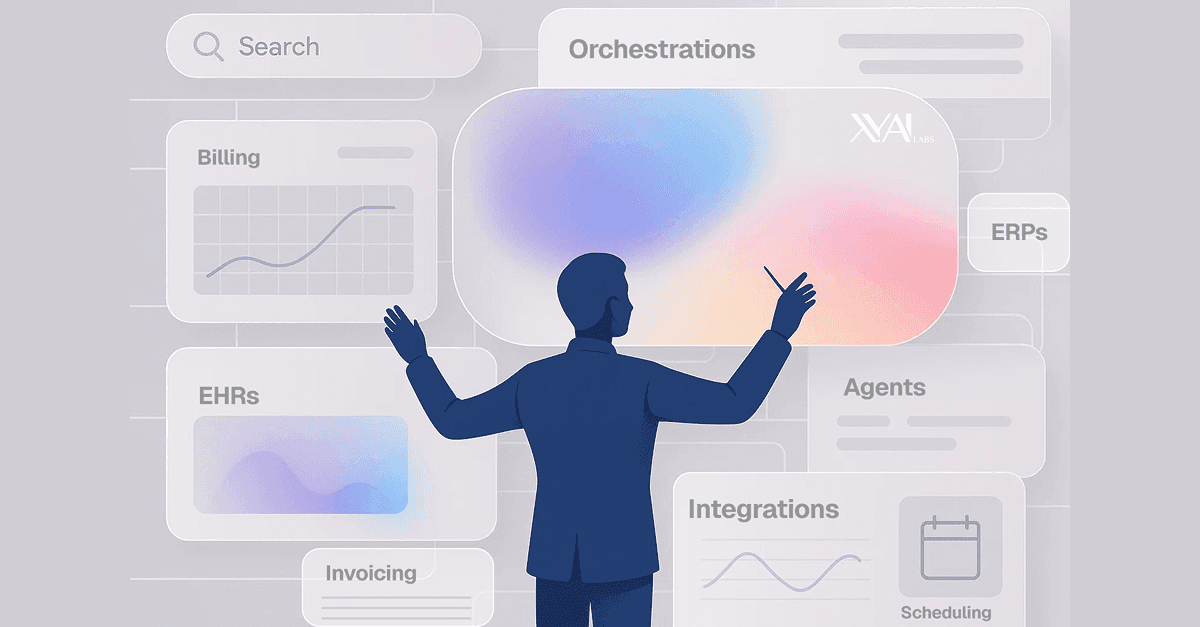
What We're Learning From Our Latest Integrations
Sam De Brouwer
July 31, 2025
Reading Time6 mins
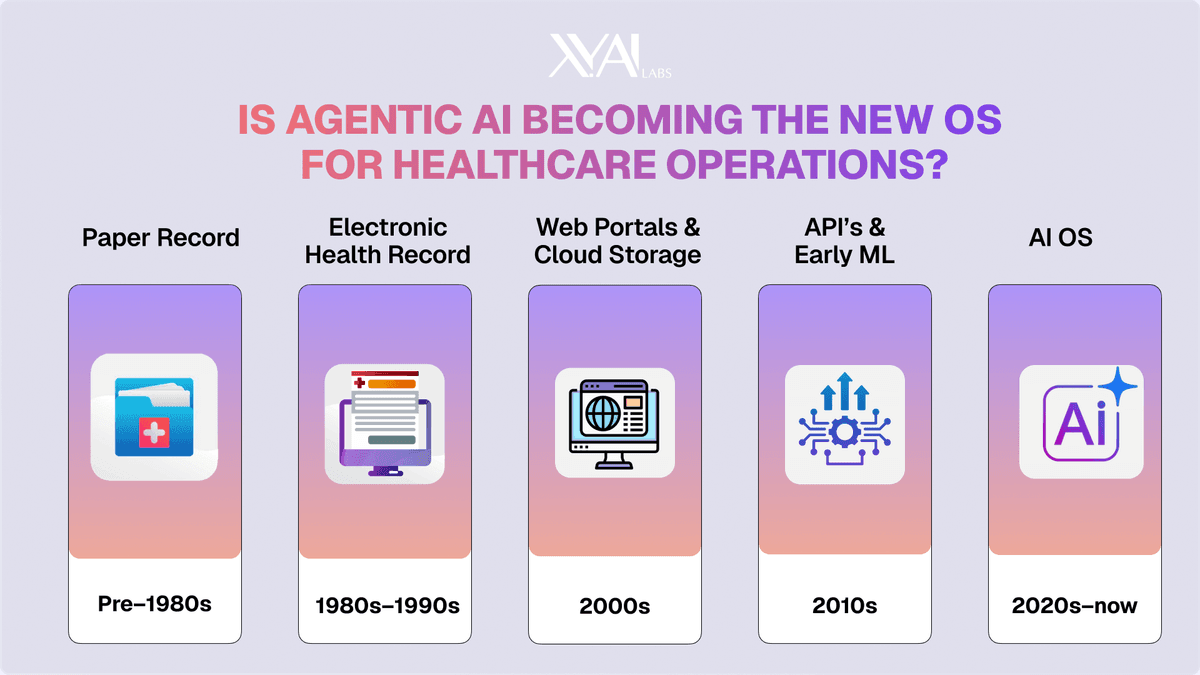
Is Agentic AI Becoming the New OS for Healthcare Operations?
Sam De Brouwer
July 10, 2025
Reading Time4 mins

9 AI Trends To Transform Healthcare and Medicine And Why They're Closer Than You Think
XY.AI Labs Team
June 10, 2025
Reading Time5 mins

What I am Learning on the Front Lines of RCM in Healthcare - and Why We Can't Ignore Automation Any Longer
Sam De Brouwer
May 6, 2025
Reading Time8 mins
AI Agents in Healthcare: The Smart Workforce You Didn't Know You Could Have
Scott Cressman
April 17, 2025
Reading Time8 mins
15 Years at the Edge of AI and Healthcare - and Why Everything has Changed
Sam De Brouwer