Finally, Healthcare Is Becoming a Learning System with AI as its Catalyst

Sam De Brouwer
CEO & Co-Founder
December 19, 2025
Reading Time7 mins

1. Making the Invisible Visible
Last century the first major leap in our medical technological revolution came with the rise of modern medical technologies: X-rays, CT scans, MRI, robotic surgery, and advanced imaging systems. These tools allowed clinicians to see inside the human body with unprecedented clarity. Conditions once hidden beneath the surface became diagnosable and treatable with extraordinary precision.
Parallel to these breakthroughs, digital health records and early health informatics systems began shifting clinical information out of paper files and into searchable, portable formats. Although still rudimentary, these systems laid the foundation of our modern system.
2. When Data Meets Access
The second major transformation began when computing power, cloud infrastructure, and connectivity started reshaping healthcare operations. Electronic health records became ubiquitous, not necessarily as knowledge systems, but primarily as billing, documentation, and compliance infrastructures that structured how data moved through organizations.
Telemedicine, once niche, was thrust into mainstream adoption during the COVID-19 pandemic. Overnight, we redefined what it meant to "be present" with a patient. Virtualized care expanded access, enabled continuous follow-up, and pushed healthcare beyond the four walls of hospitals and clinics.
This era started the conversations about interoperability, patient engagement, and democratization of information. We can also call it the digital and telemedicine era with storage, sharing, and act on data with increasing speed and scale.
3. Intelligence Everywhere
Today, we are entering the third, and I hope the most dynamic transformation: the age of AI. Unlike previous waves focused on tools and connectivity, this one is defined by agency, continuous learning, and exponential improvement.
Three characteristics make this era uniquely transformative:
Unlimited Learning Potential
Modern large language models (LLMs) are not static. They improve continuously as they encounter more data and more use cases. In healthcare, this isn't about achieving artificial general intelligence; it's about systems getting measurably better at highly specific tasks such as documentation, coding, eligibility, predictive modeling, quality reporting. Improvements are not incremental; they are exponential.
Novel Data + Feedback
Generative AI doesn't merely analyze existing data, it creates new structured information, new interpretations, and new insights. By converting unstructured content into actionable knowledge, AI accelerates everything from clinical documentation to risk stratification and operational optimization.
A New Innovation Lifecycle (My Favorite One)
In previous technological cycles, systems could plateau or fail. In the AI paradigm, failures become fuel. Every mistake becomes a learning event that strengthens the next model iteration. This continuous feedback loop fundamentally changes how innovation scales and sustains itself.
We're already seeing the impact: AI-driven workflows are reducing administrative burdens, augmenting diagnostics, and transforming patient engagement. Tools such as automated medical scribes are giving clinicians back valuable time, one of the strongest levers against burnout and a direct contributor to quality of care.
An AI Bubble? I'm Not Sure...
Each wave of healthcare innovation opened a new frontier. But the AI revolution is different. It isn't simply about working faster or remotely—it is about redesigning the operating system of healthcare itself.
Agentic AI systems can autonomously execute complex workflows. Predictive intelligence can anticipate needs before symptoms arise. Operational systems no longer just record what happened, they increasingly shape what will happen.
This is also why I'm not convinced an "AI bubble" is imminent.
First, I don't believe there is a cap on how much better LLMs can become, not because we are chasing AGI, but because real-world performance continues to compound across tasks.
Second, generative AI introduces a fundamentally different innovation lifecycle: a self-reinforcing loop of intelligence → novel data → improved intelligence that does not behave like traditional technology diffusion.
In this world, failures don't destroy progress, they accelerate it.
Healthcare is not adopting AI as a novelty. It is embedding AI into the core of clinical, operational, and financial systems.
Explore Our AI Agents
Book a Demo
See how AI Agents can transform your operations

XY.AI Partners with CollaborateMD to Bring AI Native Revenue Cycle Operations to Thousands of Billing Teams
XY.AI Labs Team
September 21, 2026
Reading Time3 mins
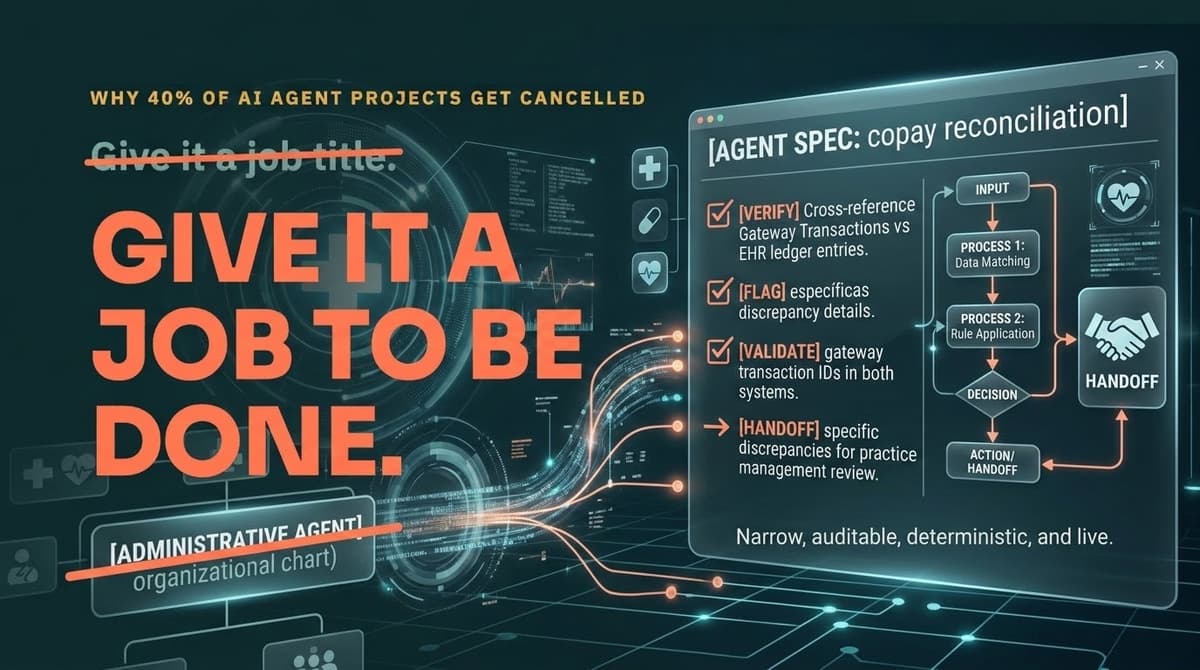
Give Your AI Agent a Job To be Done, Not a Job Description
XY.AI Labs Team
September 21, 2026
Reading Time5 mins
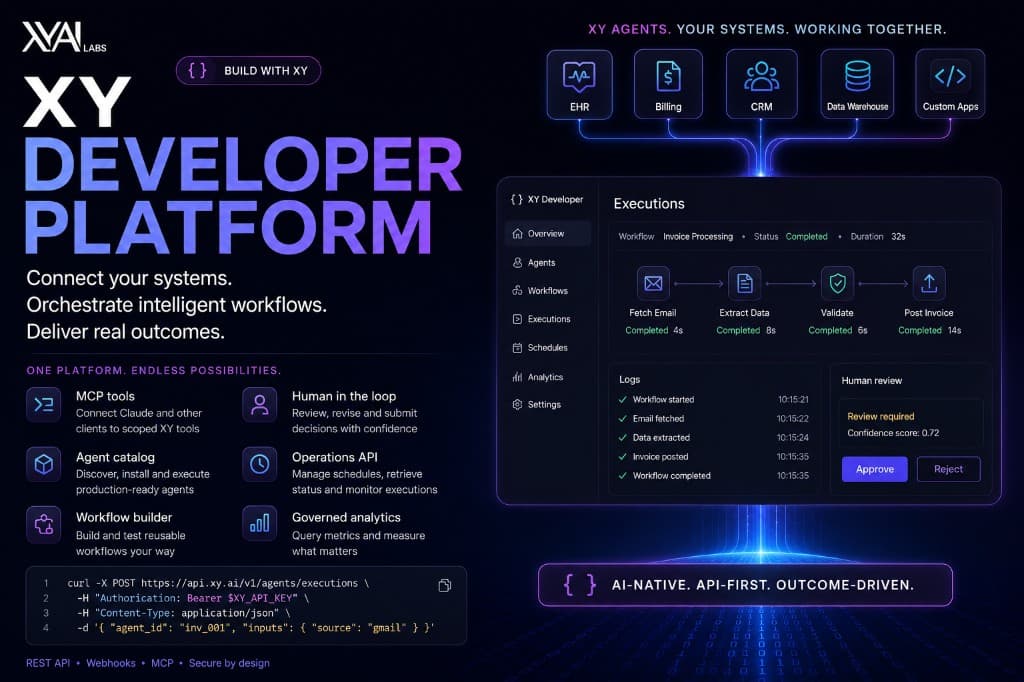
Introducing the XY Developer Platform That Your Team Can Build On
XY.AI Labs Team
August 28, 2026
Reading Time4 mins

You Can't Claude Your Way Through Healthcare

Scott Cressman
August 14, 2026
Reading Time6 mins
Ten Signs You're Ready or Not

Sam De Brouwer
August 3, 2026
Reading Time8 mins
Now Connecting to 3,500+ Payers. Here's What That Means for You
XY.AI Labs Team
July 9, 2026
Reading Time5 mins

Does Your Staff Log Into 12 Portals Before 9 AM?
XY.AI Labs Team
June 25, 2026
Reading Time3 mins

What You Don't Build Today Will Be Difficult to Catch Tomorrow
Sam De Brouwer
June 18, 2026
Reading Time8 mins
XY.AI Labs Expands Integration with athenahealth and AdvancedMD
XY.AI Labs Team
May 27, 2026
Reading Time4 mins
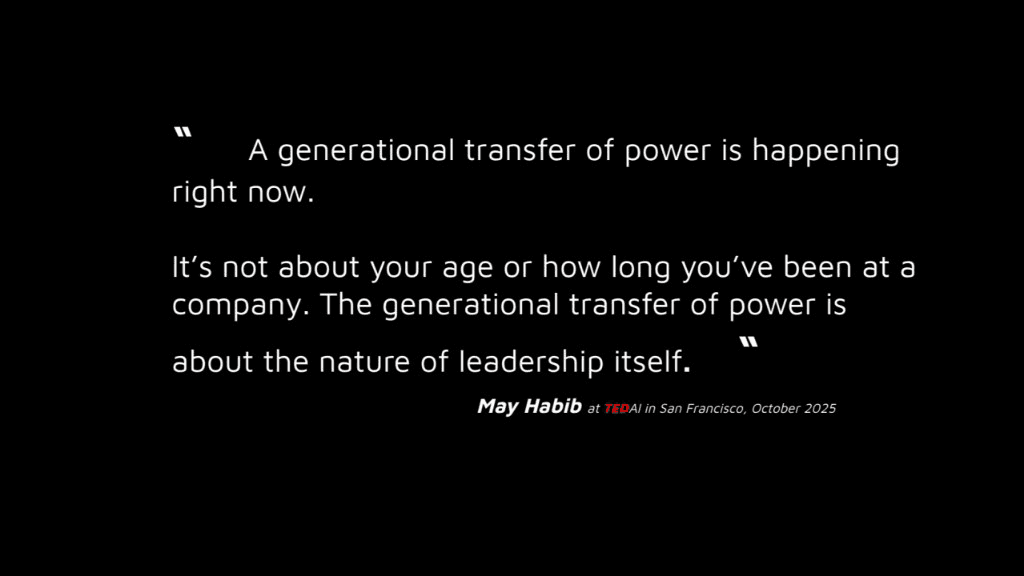
What It Means to Be an AI-Native Leader
Sam De Brouwer
May 13, 2026
Reading Time6 mins
Bringing AI to Behavioral Health at Scale: 10,000 Specialists, 4 Million Patients
XY.AI Labs Team
May 6, 2026
Reading Time5 mins
XY.AI and Uberdoc Partner to Bring AI to the Frontlines of Healthcare: Reaching 5,000 Practices Across All 50 States
XY.AI Labs Team
April 30, 2026
Reading Time4 mins

From Static Compliance to Living Compliance
XY.AI Labs Team
April 29, 2026
Reading Time10 mins
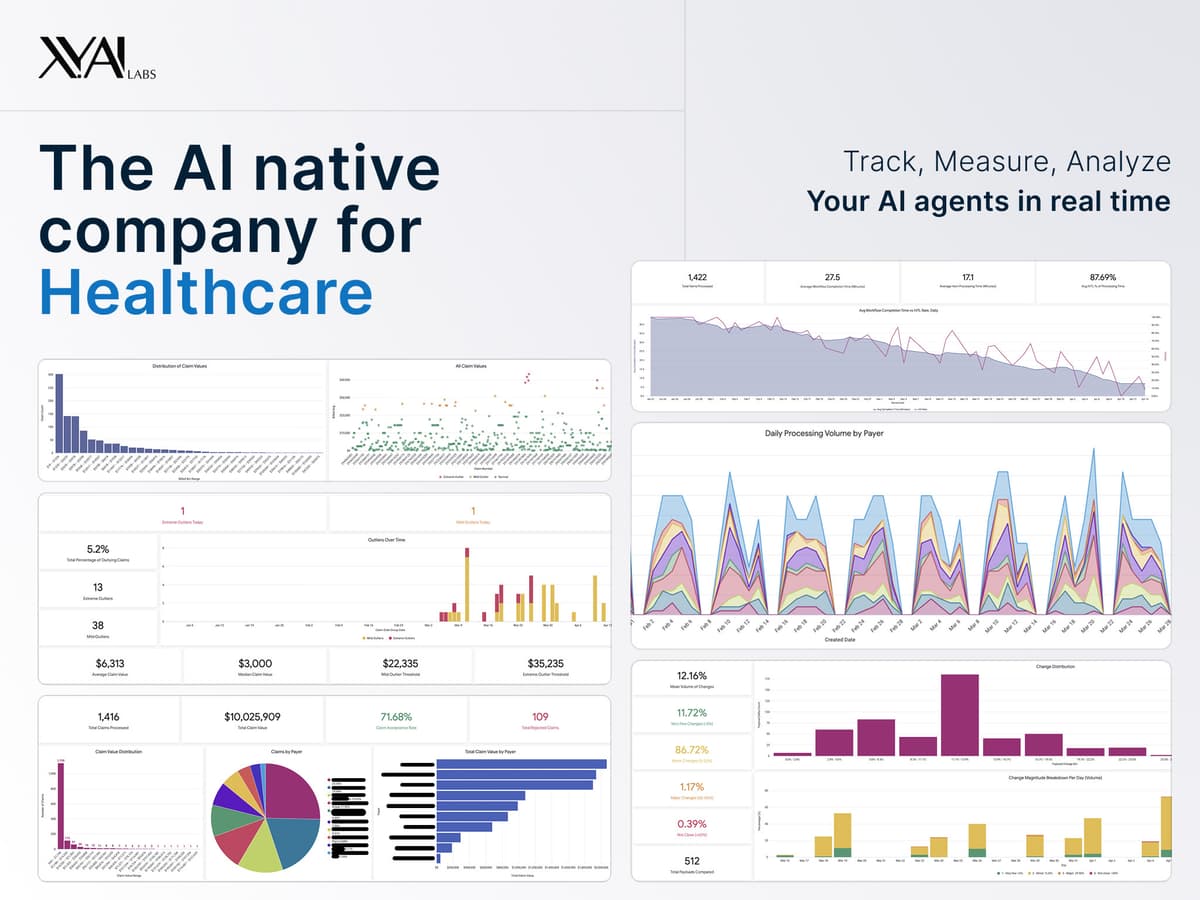
Are You Still Running Your RCM in the Dark?
XY.AI Labs Team
April 15, 2026
Reading Time4 mins

The Missing Layer in Healthcare AI: Execution
Sam De Brouwer
March 11, 2026
Reading Time5 mins
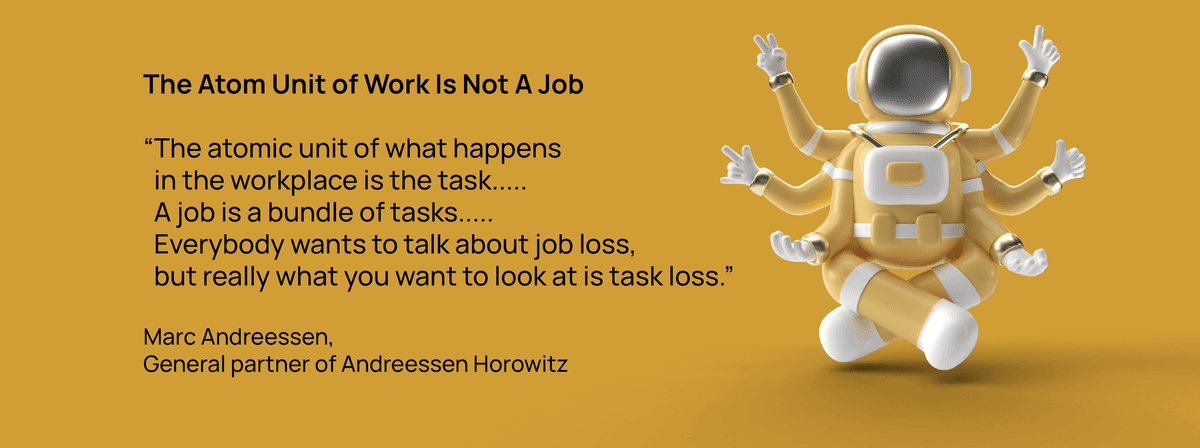
Are You Automating Jobs or Redesigning Work?
XY.AI Labs Team
February 21, 2026
Reading Time4 mins
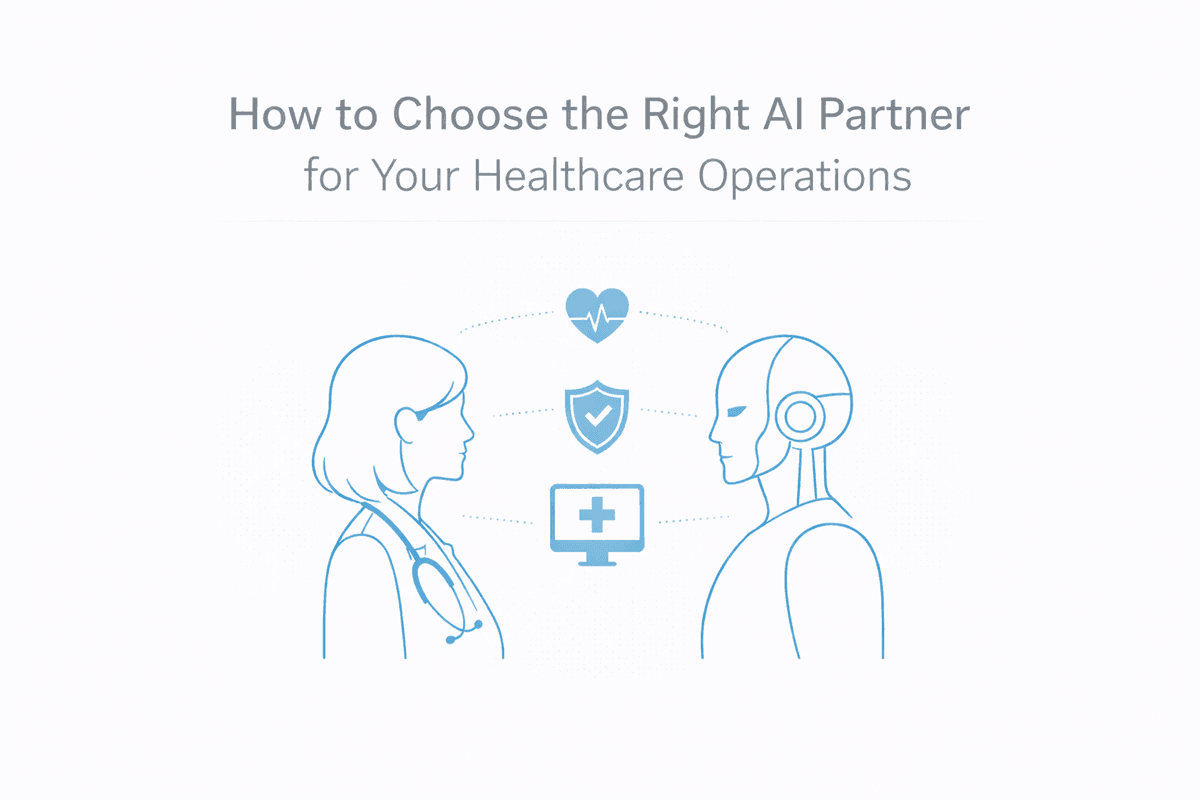
How to Choose the Right AI Partner for Your Healthcare Operations
XY.AI Labs Team
February 5, 2026
Reading Time5 mins

Have We Been Here Before? A Thought on AI Infrastructure
Sam De Brouwer
January 29, 2026
Reading Time5 mins
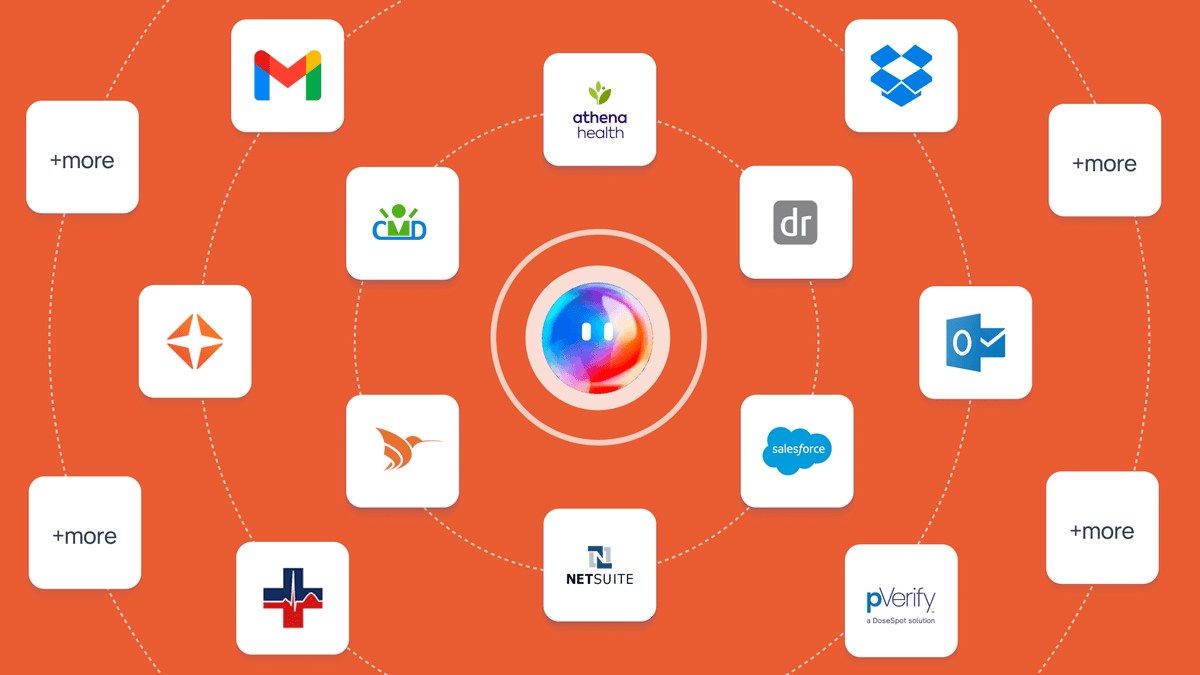
Connect Healthcare Systems with Agentic AI
XY.AI Labs Team
November 24, 2025
Reading Time8 mins
You love LLMs and co-pilots? You'll love AI Agents even more.
Sam De Brouwer
November 13, 2025
Reading Time10 mins
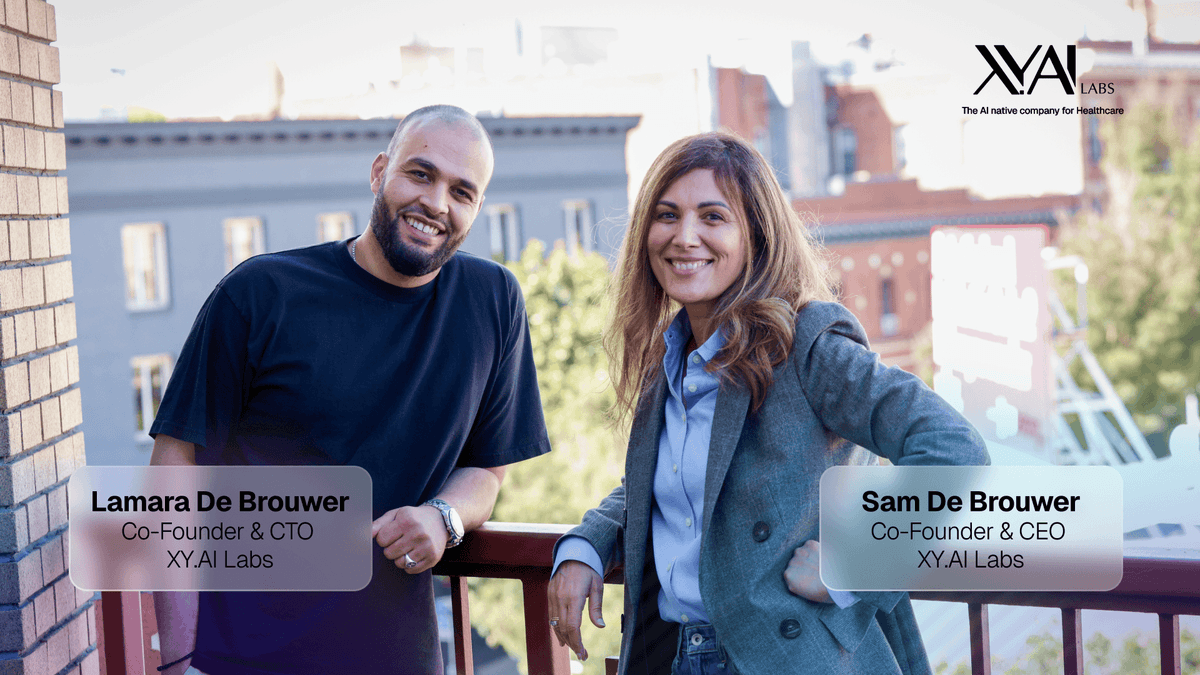
Why I'm Building for the Overlooked Majority of Healthcare
Sam De Brouwer
November 10, 2025
Reading Time6 mins
From Code to Care: How Zero-Cost Software Is Reshaping Healthcare
Sam De Brouwer
October 13, 2025
Reading Time8 mins
From Clicks to Care: Reinventing Healthcare Workflows with Our XY.AI Multimodal Browser Agents
Scott Cressman
September 12, 2025
Reading Time5 mins
Tough conversations about success and failure are not new in AI
Sam De Brouwer
August 28, 2025
Reading Time3 mins
9 Real-World Applications of AI Across Industries
XY.AI Labs Team
August 24, 2025
Reading Time10 mins
10 Benefits of Artificial Intelligence in Healthcare
XY.AI Labs Team
August 23, 2025
Reading Time10 mins
Three Reports, One Message: Give Time Back to Care
XY.AI Labs Team
August 22, 2025
Reading Time2 mins
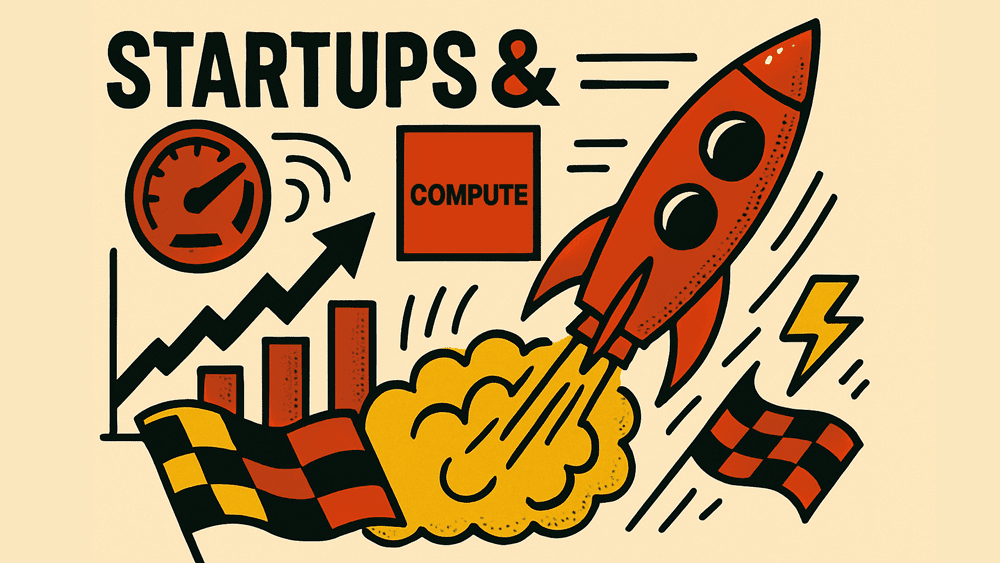
What Free Compute Signals About a Startup like XY.AI Labs?
Sam De Brouwer
August 14, 2025
Reading Time4 mins
What We're Learning From Our Latest Integrations
Sam De Brouwer
July 31, 2025
Reading Time6 mins
Is Agentic AI Becoming the New OS for Healthcare Operations?
Sam De Brouwer
July 10, 2025
Reading Time4 mins
9 AI Trends To Transform Healthcare and Medicine And Why They're Closer Than You Think
XY.AI Labs Team
June 10, 2025
Reading Time5 mins
What I am Learning on the Front Lines of RCM in Healthcare - and Why We Can't Ignore Automation Any Longer
Sam De Brouwer
May 6, 2025
Reading Time8 mins
AI Agents in Healthcare: The Smart Workforce You Didn't Know You Could Have
Scott Cressman
April 17, 2025
Reading Time8 mins
15 Years at the Edge of AI and Healthcare - and Why Everything has Changed
Sam De Brouwer